Owning or managing a property or vehicle comes with ongoing responsibilities that go far beyond routine cleaning, fueling, or cosmetic upkeep. Both cars and homes are significant investments, and neglecting their maintenance can quickly lead to costly emergencies. Unexpected failures—whether a vehicle breaking down on the road or a critical system failing in the home—can disrupt daily life, create safety hazards, and significantly impact finances. Many property and vehicle owners underestimate the importance of advance planning, only realizing the consequences when minor issues escalate into major problems.
Proactive planning is the key to preventing these issues. Understanding what systems and components need regular care, recognizing early warning signs of failure, and knowing how to hire trustworthy professionals can save both time and money. Prepared property and vehicle owners approach repairs and upgrades methodically, using preventive strategies to extend the life of their assets while maintaining safety and efficiency. By creating a structured maintenance plan, homeowners and vehicle owners can anticipate challenges, allocate resources effectively, and avoid unnecessary stress.
This guide provides practical, actionable tips for maintaining both vehicles and homes, from routine upkeep to emergency preparedness. You’ll learn how to identify potential problems early, select quality products and service providers, and organize repair schedules for long-term efficiency. Following these recommendations not only prevents expensive repairs but also helps owners maintain comfort, safety, and reliability for all their assets.
Additionally, this guide highlights specialized areas like air conditioning maintenance, electrical systems, garage doors, and high-quality auto accessories. Each section is designed to give homeowners and vehicle owners the knowledge they need to act confidently, make informed decisions, and prioritize tasks effectively. By integrating preventive measures into daily routines and building relationships with trusted professionals, readers can transform property and vehicle management from a reactive, stressful task into a strategic, well-organized process that ensures long-term value, safety, and peace of mind.
Keeping Your Vehicle Running Smoothly

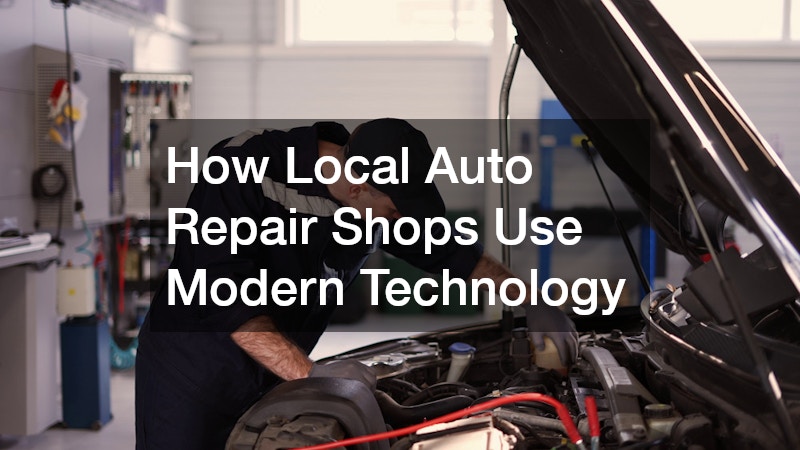
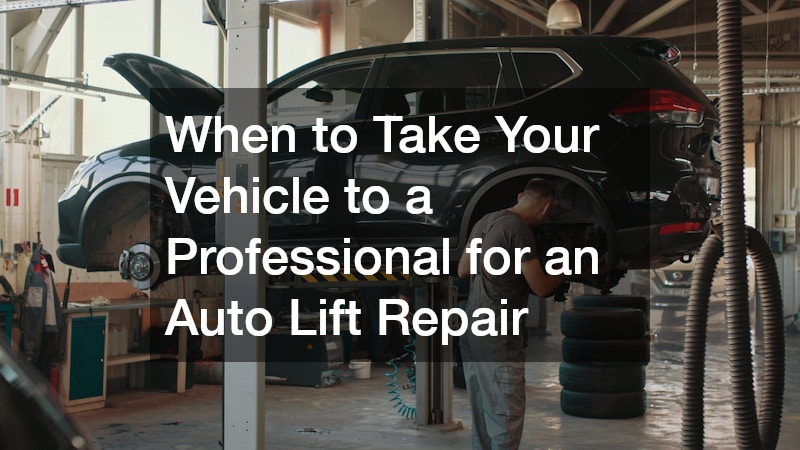
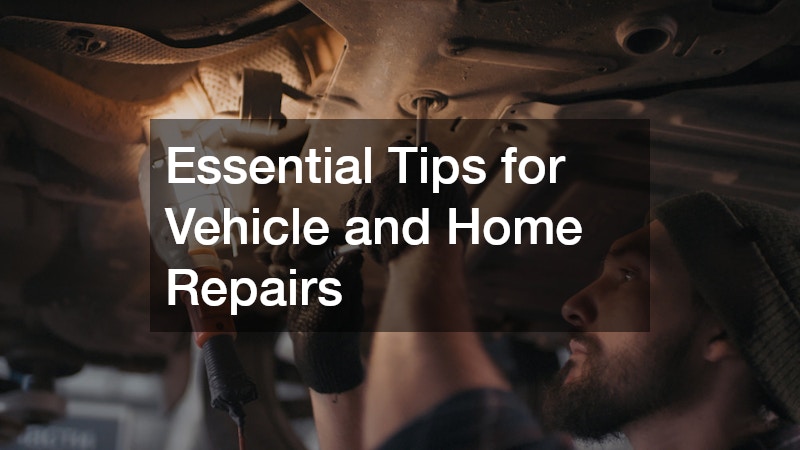
Regular ac repair maintenance is the cornerstone of vehicle longevity and performance. Cars are complex machines, and even minor neglect can cascade into larger, costlier problems. Recognizing early warning signs and knowing when to involve a professional is critical.
Common Signs Your Vehicle Needs Attention
-
Unusual noises such as squeals, grinding, or knocking
-
Dashboard warning lights, including check engine or brake alerts
-
Vibrations or shaking while driving
-
Reduced fuel efficiency or unusual exhaust behavior
-
Difficulty steering or braking
These symptoms often indicate problems that, if addressed early, can prevent further damage and reduce repair costs.
Choosing a Reliable Service Provider
A trustworthy auto shop is essential for proper vehicle care. When evaluating service providers:
-
Look for certified technicians with experience with your vehicle’s make and model
-
Check online reviews and seek personal recommendations
-
Ask about warranty coverage on parts and labor
-
Compare estimates for repairs and maintenance to ensure fair pricing
Routine Maintenance Checklist
-
Oil changes every 3,000–7,500 miles, depending on vehicle and oil type
-
Brake inspections at least once a year or when noise or vibration is present
-
Tire rotations and alignment checks every 6,000–8,000 miles
-
Battery testing and replacement as needed
-
Inspection of belts, hoses, and fluid levels
Keeping a service log and scheduling appointments ahead of time ensures that your car stays in peak condition and that small problems do not escalate into major repairs.
Choosing the Right Products and Accessories for Your Car
Beyond repairs, investing in quality auto shops products and accessories can enhance performance, safety, and comfort. However, using substandard parts can cause serious issues or void warranties.
Selecting High-Quality Auto Products
-
Choose manufacturer-recommended or certified aftermarket parts
-
Avoid counterfeit or extremely low-cost components
-
Check product reviews and ratings for reliability and durability
-
Ensure compatibility with your vehicle’s make, model, and year
Essential Auto Accessories
-
Emergency kits including first aid, jumper cables, flashlight, and reflective triangles
-
Tire inflators and pressure gauges for on-the-go safety
-
Floor mats, seat covers, and cargo organizers for protection and convenience
-
Advanced accessories such as dash cams, GPS systems, or performance monitoring tools
Installation and Maintenance Tips
-
Follow manufacturer’s instructions carefully or hire professionals for installation
-
Schedule regular checks to ensure accessories remain secure and functional
-
Replace worn or damaged components promptly to prevent further issues
Quality products and accessories not only enhance convenience but also contribute to safety and long-term savings by reducing the likelihood of unexpected failures.
Maintaining Comfort and Air Quality in Your Vehicle and Home

Air conditioning systems play a critical role in comfort and health, both in vehicles and buildings. Poorly maintained AC systems reduce efficiency, increase energy costs, and can lead to system failure.
Vehicle and Home AC Maintenance
-
Schedule annual inspections for performance, refrigerant levels, and leaks
-
Replace or clean filters every 3–6 months to maintain air quality
-
Listen for unusual noises or weak airflow, which can indicate blockages or compressor issues
-
Use a professional for repairs to prevent costly damage to components
Preventive Strategies
-
Keep condensers and vents clean and free of debris
-
Avoid overworking the system by using recirculation settings during high heat
-
Monitor energy usage in homes for spikes that may indicate inefficiencies
-
Combine AC maintenance with routine inspections of related systems, like electrical components
Maintaining optimal air quality and system efficiency not only ensures comfort but also reduces wear and prolongs system lifespan.
Avoiding Electrical Issues and Ensuring Safety
Electrical problems in vehicles and homes are common and can pose serious hazards if ignored. Small issues can escalate into fires, system failures, or costly replacements.
Identifying Early Warning Signs
-
Flickering lights, outlets, or dashboard displays
-
Circuit breakers frequently trip in the home
-
Unusual odors such as burning insulation
-
Difficulty starting vehicles or inconsistent power in components
Preventive Checks
-
Test vehicle batteries and alternators regularly
-
Inspect wiring, fuses, and connections for wear or corrosion
-
Ensure home circuits are not overloaded
-
Schedule routine inspections with licensed electricians for both residential and vehicle systems
Safe DIY Practices
-
Only attempt minor fixes such as replacing bulbs or fuses if you have proper knowledge
-
Use insulated tools and disconnect power when working on circuits
-
Avoid using damaged extension cords or adapters
-
Call professionals immediately if you encounter persistent or unclear issues
Electrical repairs require expertise, but preventative measures and careful observation can prevent many common emergencies and reduce repair costs.
Protecting Your Home with Garage Maintenance
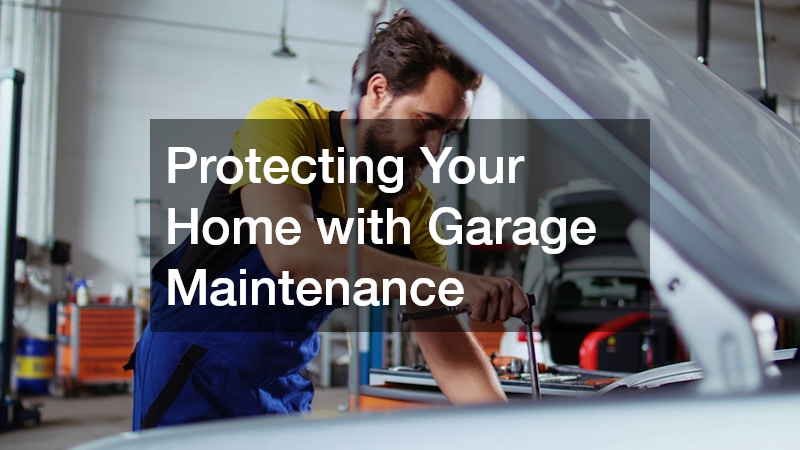
Garage doors are both a convenience and a security feature, protecting vehicles, valuables, and property access. Poor maintenance can lead to safety hazards, operational failures, and costly replacements.
Signs Your Garage Door Needs Attention
-
Doors opening or closing unevenly
-
Excessive noise during operation
-
Visible wear on springs, tracks, or rollers
-
Malfunctioning safety sensors or remote controls
Preventive Maintenance
-
Lubricate moving parts regularly to prevent wear
-
Check alignment and tension of springs and cables
-
Inspect and clean tracks to prevent debris buildup
-
Test safety sensors and auto-reverse features frequently
Selecting Professionals
-
Choose a garage door repair company with positive reviews and proper licensing
-
Verify experience with your specific door type and system
-
Ask about warranties on installation and repairs
-
Schedule annual inspections to prevent unexpected failures
Proper maintenance keeps doors functioning smoothly, extends their lifespan, and ensures the safety of family members and property.
Coordinating Vehicle and Home Repairs Efficiently
Managing multiple systems across your home and vehicles can feel overwhelming without organization. A structured approach reduces stress and prevents missed maintenance opportunities.
Tips for Organization
-
Maintain a master list of service providers and their specialties
-
Track inspection dates, warranties, and service histories in one place
-
Prioritize urgent repairs over cosmetic improvements
-
Use digital tools like calendars, reminders, or property management apps
Building Long-Term Relationships
-
Work consistently with trusted professionals to improve communication and familiarity with your systems
-
Schedule recurring services with the same providers for continuity
-
Share previous service records to enable informed recommendations
-
Maintain a preferred list for emergencies or seasonal maintenance
By keeping organized records and fostering relationships with reliable providers, homeowners and vehicle owners can manage repairs proactively rather than reactively. This saves time, reduces costs, and ensures systems operate safely and efficiently.
Preparing for Emergencies and Unexpected Repairs
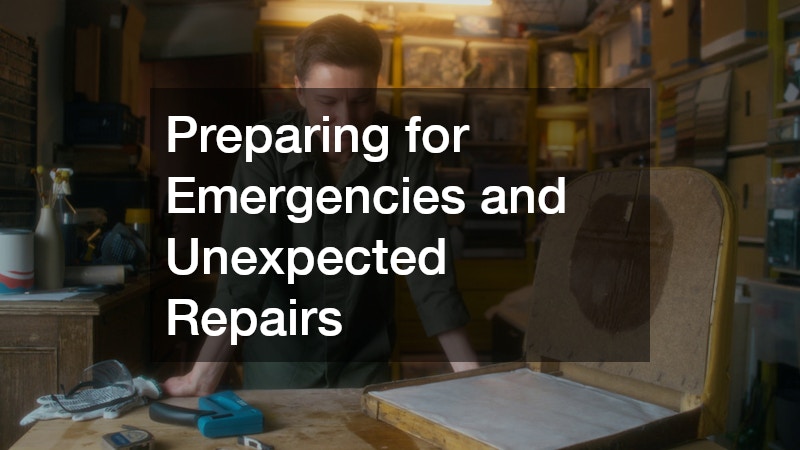
Despite planning, emergencies can occur. Being prepared helps minimize damage and disruption, ensuring safety and reducing financial and emotional stress. Emergencies can range from sudden vehicle breakdowns to unexpected electrical failures or home system malfunctions. Having a clear, actionable plan in place allows homeowners and vehicle owners to respond quickly and effectively.
Emergency Planning Tips
-
Keep emergency contacts for auto repair, electrical repair, AC services, and garage doors accessible. Consider storing them in multiple places: on your phone, in a physical binder, and even on a central family notice board.
-
Maintain spare parts and basic tools for quick fixes, such as fuses, light bulbs, jumper cables, tire repair kits, and essential plumbing or electrical tools.
-
Document insurance information for property and vehicles. Include policy numbers, emergency phone lines, and instructions for filing claims to streamline recovery.
-
Educate family members on basic safety procedures for electrical or mechanical failures, such as turning off power sources, safely operating garage doors, or knowing how to respond to a car breakdown.
Acting Quickly During Emergencies
-
Shut off affected systems immediately to prevent further damage, whether it’s a leaking appliance, malfunctioning AC, or faulty electrical circuit.
-
Contact professionals who have prior knowledge of your property or vehicle history to ensure faster diagnosis and auto repair.
-
Document all damage for insurance purposes, taking photographs or videos before any cleanup or repair begins.
-
Schedule follow-up inspections even after initial repairs to ensure systems are fully restored, and any lingering issues are addressed.
Additionally, consider creating a small, portable emergency kit for both your home and vehicle. Include flashlights, batteries, gloves, basic tools, and first aid supplies. Having these items ready reduces panic, helps you respond immediately, and can prevent small issues from escalating into costly or dangerous situations. Preparation ensures that unexpected events do not escalate into prolonged downtime, serious safety hazards, or significant financial burdens, allowing you to maintain control and peace of mind during stressful circumstances.
Conclusion
Maintaining both your vehicle and home requires ongoing attention, organization, and the support of reliable professionals. Proactive care prevents minor issues from escalating into major, costly problems, while careful planning allows owners to respond efficiently during emergencies.
By understanding the key areas of maintenance—auto care, electrical systems, AC, garage door companies, and quality products—property and vehicle owners can make informed decisions that preserve safety, comfort, and long-term value. Scheduling regular inspections, keeping detailed records, and fostering relationships with trusted service providers transform property and vehicle management from reactive and stressful to strategic and predictable.
Investing in preventive measures not only saves money but also enhances the quality of daily life, ensuring that both your home and vehicle remain reliable, safe, and functional for years to come. By taking a systematic approach and addressing issues early, homeowners and vehicle owners alike gain confidence, security, and peace of mind, knowing that their most important assets are well cared for and prepared for any situation.
Beyond these practical benefits, proactive maintenance encourages efficiency and sustainability. Well-maintained vehicles consume fuel more efficiently, experience fewer breakdowns, and maintain higher resale value. Similarly, homes with regularly serviced systems and properly maintained structural elements are more energy-efficient, less prone to emergency repairs, and retain their market value over time. Regular upkeep also reduces environmental impact by extending the life of appliances, vehicles, and systems, avoiding premature replacement, and minimizing waste.
Another critical advantage is safety. Early detection of electrical faults, AC issues, or garage door malfunctions can prevent injuries and property damage. Vehicles that undergo routine inspections are less likely to experience brake or engine failures, protecting drivers and passengers. A well-maintained home and vehicle system provides predictability, giving families and business owners the freedom to focus on daily life and long-term goals rather than worrying about sudden disruptions.
Ultimately, proactive care is about creating a mindset of preparedness and responsibility. By integrating scheduled maintenance, trusted professionals, and careful monitoring, property and vehicle owners establish a foundation of reliability, comfort, and resilience. This approach ensures that their investments—both at home and on the road—remain protected, functional, and efficient for years to come, while also giving peace of mind that every aspect of their property and vehicles is being managed intelligently and responsibly.