
Every car owner knows that maintaining a vehicle requires more than just filling up the gas tank and washing the exterior occasionally. Understanding the basics of auto care is crucial to ensuring that your car runs efficiently, lasts longer, and avoids unexpected breakdowns. In this guide, we will explore essential auto mechanic tips that provide both practical advice and preventative strategies. These tips are designed to help drivers of all experience levels, whether you’re new to car ownership or have been behind the wheel for years.
From monitoring your oil and tire pressure to recognizing the signs of brake wear and battery failure, knowing these key details can prevent costly repairs and keep your vehicle performing at its best. In addition to mechanical care, maintaining your car’s appearance with an auto detailing service, paintless dent repairs, and occasional tinting service can preserve both value and aesthetics. Even if you rely on professional help from an auto body mechanic, auto repair shops, tire shops, or local auto parts suppliers, having a solid understanding of these tips will make every interaction more productive and informed. By the end of this article, you will have a toolkit of knowledge that helps you approach car care confidently and responsibly.
How Often Should I Change My Oil?
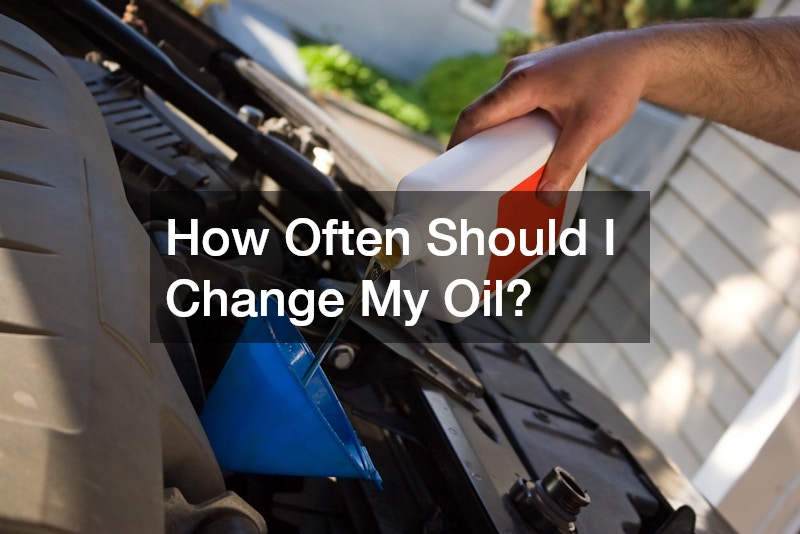
Understanding Oil Change Intervals
One of the most fundamental auto mechanic tips involves knowing when to change your oil. Vehicle manufacturers typically provide recommended oil change intervals in the owner’s manual, which can vary depending on engine type, driving conditions, and oil grade. Cars that are frequently used for short trips, city driving, or in extreme weather conditions may require more frequent oil changes. Ignoring these intervals can lead to engine wear, decreased performance, and even serious mechanical failure.
For car owners seeking guidance, consulting a trusted auto repair shop or an auto body mechanic can provide tailored advice specific to your vehicle. Local auto parts stores also often offer resources to help determine the right oil type and change schedule. Regular oil changes not only extend the life of your engine but also maintain fuel efficiency and reduce emissions. By keeping track of your oil change intervals, you can prevent minor issues from becoming major repairs that require expensive auto repair work.
Signs That Indicate It’s Time for an Oil Change
Even if you follow a strict schedule, it’s essential to watch for warning signs that your vehicle might need an oil change sooner. Dark, dirty oil, unusual engine noises, and the smell of burning oil are indicators that it’s time to check your engine. Low oil levels or oil warning lights on your dashboard are also strong signals.
Beyond these basic indicators, regular inspections by an auto body mechanic or at a reputable auto repair shop can ensure your vehicle’s lubrication system remains in optimal condition. Proper oil maintenance is a simple but effective step toward long-term vehicle health, saving you from potential costs associated with more extensive engine repairs. Pairing these observations with other auto mechanic tips will keep your car running smoothly and prevent the need for urgent repairs.
What Tire Pressure Should I Maintain?
Finding the Correct Pressure for Your Tires
Maintaining proper tire pressure is a critical aspect of car maintenance that is often overlooked. The manufacturer’s recommended tire pressure can usually be found in your owner’s manual or on a sticker located on the driver’s side door jamb. It’s important to check pressure regularly using a reliable gauge and adjust accordingly, especially before long trips. Overinflated or underinflated tires not only compromise safety but can also lead to uneven wear, reducing the lifespan of your tires and increasing costs at tire shops.
Tire shops and auto repair centers can offer professional advice and equipment for maintaining proper pressure. Using local auto parts suppliers to source replacement or specialized tires ensures your vehicle has the best performance for your driving conditions. By monitoring tire pressure consistently, you enhance both your safety and your vehicle’s efficiency.
The Importance of Maintaining Proper Tire Pressure
Proper tire pressure directly affects your car’s handling, braking, and fuel efficiency. Underinflated tires can increase rolling resistance, reducing fuel economy and potentially causing overheating. Overinflated tires, on the other hand, can lead to a harsher ride and increased wear in specific areas, potentially resulting in early replacement.
Maintaining the correct tire pressure also improves overall safety by reducing the risk of blowouts or accidents caused by uneven tire wear. Whether you rely on an auto repair shop or perform maintenance yourself, checking tire pressure should be a regular part of your auto mechanic tips routine. Proper care ensures that your tires last longer and perform better, while also giving you confidence on the road.
How Do I Know When to Replace My Brake Pads?
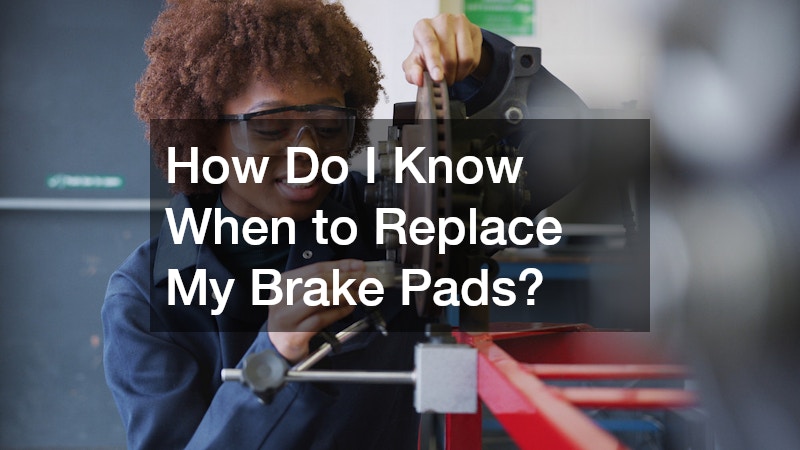
Signs of Worn Brake Pads
Brake pads are a vital component of your vehicle’s safety system, and knowing when to replace them is essential. Common indicators of worn brake pads include squealing or grinding noises, reduced responsiveness when braking, and a longer stopping distance than usual. Ignoring these signs can compromise safety and cause damage to other components, such as the brake rotors, which may require costly auto repair or auto body service.
Regular inspections at tire shops or auto repair centers help identify wear early. Auto body mechanics can also check for subtle issues, such as uneven pad wear or signs of corrosion on braking components. Being proactive with brake maintenance ensures that your vehicle remains safe and reliable in all driving conditions.
The Importance of Regular Brake Inspections
Routine brake inspections are one of the most overlooked yet essential auto mechanic tips. Checking the brake fluid, pad thickness, and rotor condition at scheduled intervals prevents unexpected failures and extends the life of your braking system. Many auto repair shops offer complete brake inspections, providing peace of mind before any critical issues arise.
By combining these inspections with other maintenance practices, including regular oil changes and tire care, drivers can ensure overall vehicle performance and safety. Paying attention to brake health is especially crucial for drivers who frequently carry passengers or drive in high-traffic areas, as it directly impacts everyday safety.
What Should I Check Before a Long Road Trip?
Essential Pre-Trip Vehicle Checks
Before embarking on a long journey, taking time to inspect your vehicle can prevent roadside issues and costly auto repair visits. Key areas to check include engine oil levels, coolant, brake fluid, tire pressure, and windshield wiper function. Additionally, examining belts, hoses, and your car battery ensures all components are in working order. Performing these checks yourself or visiting an auto repair shop for a quick inspection can make a significant difference in safety and peace of mind.
Other essential pre-trip steps include verifying the condition of your tires and ensuring your spare tire is properly inflated. Tire shops and local auto parts suppliers can help you access replacement tires or specialized tools if needed. If your vehicle has experienced recent cosmetic damage, visiting an auto body service for minor repairs, paintless dent repairs, or auto detailing service before the trip can also improve both aesthetics and resale value.
Preparing for Emergencies on the Road
Even with thorough inspections, unexpected situations can arise. Packing an emergency kit with tools, jumper cables, a flashlight, extra fluids, and first aid supplies is highly recommended. Knowing how to perform minor repairs, such as replacing a tire or checking auto glass repair needs, can prevent small problems from turning into major disruptions.
Additionally, having a trusted auto body mechanic or local auto parts supplier’s contact information handy ensures you can quickly address more complex issues while on the road. Being prepared is one of the most practical auto mechanic tips for drivers who frequently travel long distances, providing confidence that you can handle unforeseen circumstances efficiently.
How Can I Improve My Fuel Efficiency?

Driving Habits that Enhance Fuel Economy
Fuel efficiency is influenced by both vehicle condition and driving habits. Smooth acceleration, maintaining steady speeds, and avoiding excessive idling can significantly reduce fuel consumption. Aggressive driving not only wastes fuel but also places unnecessary stress on brakes, tires, and other components that may require service from an auto repair shop.
Other habits, such as reducing unnecessary weight in your car and keeping windows closed at highway speeds, can also improve fuel economy. Regular maintenance at trusted tire shops or utilizing local auto parts for replacements ensures that components like spark plugs, air filters, and tire treads contribute positively to fuel efficiency. These practical steps align with auto mechanic tips aimed at reducing long-term expenses while protecting your vehicle.
Regular Maintenance for Better Fuel Efficiency
Beyond driving habits, consistent maintenance has a direct impact on fuel economy. Replacing clogged air filters, performing oil changes on schedule, and checking tire pressure are fundamental tasks. Visiting an auto body mechanic for inspections can also ensure that no mechanical issues, such as misaligned wheels or malfunctioning brakes, hinder efficiency.
Auto detailing services and tinting service may not directly affect fuel economy, but keeping your vehicle in top shape reduces drag and weight from accumulated debris or interior clutter. Proactive attention to these details preserves vehicle performance and supports environmentally conscious driving practices.
What Are the Signs of Battery Failure?
Identifying Weakness in Your Car Battery
Your car battery is critical for starting the engine and powering electrical components. Warning signs of battery failure include slow engine cranking, dim headlights, and the presence of corrosion around the battery terminals. Some vehicles may display a battery warning light on the dashboard. Detecting these issues early can prevent unexpected breakdowns and avoid costly auto repair visits.
Routine inspections at auto repair shops or by an auto body mechanic can provide valuable insight into battery health. Additionally, checking connections, cleaning terminals, and ensuring the battery is properly secured are easy steps that extend battery life and reliability. Being proactive about battery maintenance is one of the essential auto mechanic tips for every car owner.
Maintaining Your Car Battery for Longevity
Simple maintenance strategies can prolong the life of your car battery. Ensuring the battery remains clean, securing it firmly, and avoiding short trips that prevent a full charge all contribute to longevity. Seasonal preparation, such as protecting your battery from extreme temperatures, also helps maintain consistent performance.
Auto repair shops and local auto parts suppliers can provide guidance or replacements if necessary. By combining preventive care with regular checks, car owners can avoid unexpected failures, protect other components, and maintain peace of mind on a daily basis.
How Do I Care for My Car’s Exterior?

Basic Exterior Maintenance Tips
Caring for your car’s exterior is more than just keeping it visually appealing—it also protects against rust, fading, and structural damage. Regular washes, proper waxing, and applying protective coatings from an auto detailing service help preserve your vehicle’s finish. Using high-quality cleaning products ensures no harm comes to the paint or tinting service.
Routine visits to auto body service providers for touch-ups or inspection can prevent minor issues from escalating. Even small dents or scratches addressed through paintless dent repairs can significantly improve the longevity and value of your car. Consistent exterior care is an integral part of holistic auto mechanic tips that combine aesthetics with functionality.
Dealing with Scratches and Paint Damage
Minor scratches and chips are unavoidable, but addressing them promptly prevents corrosion and further damage. Paintless dent repairs are a cost-effective way to restore your vehicle’s surface without a full repaint. For more severe damage, an auto body mechanic can assess the problem and provide appropriate auto repair solutions.
Regular inspection of your vehicle’s exterior, including checking for cracks in auto glass repair or damage to tinting service, ensures that minor issues do not worsen. Maintaining a polished and well-protected exterior is part of a broader auto mechanic strategy that preserves both safety and appearance.
When Should I Seek Professional Help?
Identifying Serious Issues that Require a Mechanic
While many maintenance tasks can be performed at home, certain issues require professional expertise. Strange engine noises, persistent warning lights, fluid leaks, and brake problems should never be ignored. Consulting a qualified auto body mechanic or auto repair professional ensures that repairs are done safely and correctly.
Ignoring these warning signs may lead to further damage, more expensive auto repair bills, or unsafe driving conditions. Tire shops and auto glass repair centers can also address specialized issues that go beyond basic maintenance, making professional support invaluable. Recognizing when a problem is beyond your skill set is a key auto mechanic tip that protects your investment and safety.
How to Choose a Reliable Auto Mechanic
Selecting a trustworthy mechanic is essential for long-term vehicle care. Look for certified technicians, positive reviews, and transparency in pricing. Building a relationship with a local auto repair shop or auto body service provider ensures consistency and familiarity with your vehicle’s history.
Additionally, sourcing parts from local auto parts suppliers and utilizing services such as tinting service, tire shops, and paintless dent repairs at the same trusted location can streamline maintenance. Knowledgeable mechanics not only perform repairs but also provide guidance on preventive measures, reinforcing the value of comprehensive auto mechanic tips for every car owner.
Mastering essential auto mechanic tips allows every car owner to take a proactive approach to vehicle maintenance. From monitoring oil levels and tire pressure to recognizing brake wear and battery issues, these practices enhance both safety and efficiency. Understanding your vehicle’s needs and combining home care with professional auto repair services ensures that minor problems do not escalate into costly repairs.
Caring for the exterior with auto detailing service, paintless dent repairs, and tinting service not only preserves aesthetics but also protects your vehicle’s long-term value. Maintaining connections with reliable tire shops, auto body mechanics, and local auto parts suppliers ensures access to expertise and quality components when needed. By integrating these strategies into routine maintenance, car owners can enjoy a smoother, safer, and more efficient driving experience. Regular attention, awareness, and proactive care are the keys to making these auto mechanic tips work effectively for your vehicle, safeguarding both performance and peace of mind.