Highlights:
- Clean paint comes first. Wash regularly with proper car shampoo, use the two-bucket method, and dry with microfiber so dirt and grit never get ground into the finish.
- Add a protective layer. Wax, sealant, or ceramic coating is the single most effective defense. Pick the one that matches how much effort and money you want to put in, and reapply when water stops beading.
- Shade and shelter matter. Parking in a garage, carport, or shaded spot cuts UV fading, rain spotting, and bird dropping damage all at once.
- Act fast on organic messes. Bird droppings, bug splatter, and tree sap can etch the clear coat within hours, so keep quick detailer and microfiber towels handy.
- Fight salt and moisture. Rinse away road salt and rainwater deposits, dry door jambs and trim, and keep drain holes clear to stop rust before it starts.
- Fix chips promptly. Small chips and scratches let moisture reach bare metal, so a bit of touch-up paint now prevents costly repairs later.
- Stay consistent. A simple schedule of weekly washes, monthly refreshers, and seasonal waxing or sealing keeps your paint protected without taking over your weekends.
Your car’s paint does a lot more than make it look good. It’s the thin layer standing between the metal underneath and everything the sky throws at it: blazing sun, sideways rain, freezing temperatures, and whatever a passing bird decides to leave behind. Once that layer starts to fade, peel, or chip, it doesn’t just hurt your car’s looks. It can lead to rust, lower resale value, and expensive repair bills.
The good news is that you don’t need a professional detailing shop or a garage full of fancy products to keep your paint in great shape. Most of the work comes down to a few smart habits, the right products, and a bit of consistency. In this guide, we’ll walk through how weather damages your paint, what you can do about it, and how to build a routine that fits into real life.
Why Weather Is So Hard on Your Car’s Finish
Modern automotive paint is actually a system of layers. At the bottom is a primer that helps the paint stick to the metal. Above that sits the base coat, which gives your car its color. On top is the clear coat, a transparent layer that adds gloss and shields everything underneath. Nearly all the weather-related damage you’ll see happens to that clear coat first.
Sunlight is one of the biggest culprits. Ultraviolet rays slowly break down the chemical bonds in the clear coat, which is why older cars often look chalky or hazy on the roof and hood. Rain might seem harmless, but water droplets can act like tiny magnifying glasses in the sun, and rainwater often carries pollutants that leave etched spots behind. Cold weather brings its own problems, since paint expands and contracts with temperature swings, and tiny cracks can form over time. Road salt, tree sap, bird droppings, and industrial fallout make things worse.
Here are the most common types of weather-related paint damage:
- Fading and oxidation, caused by long-term UV exposure
- Water spots and etching, caused by mineral deposits and acidic rain
- Clear coat peeling, usually the result of years of heat and sun
- Rust spots, which start when moisture reaches bare metal through chips or scratches
- Staining and pitting, caused by bird droppings, bugs, and tree sap
Understanding these threats makes it much easier to pick the right defense for each one.
Start With a Clean Surface
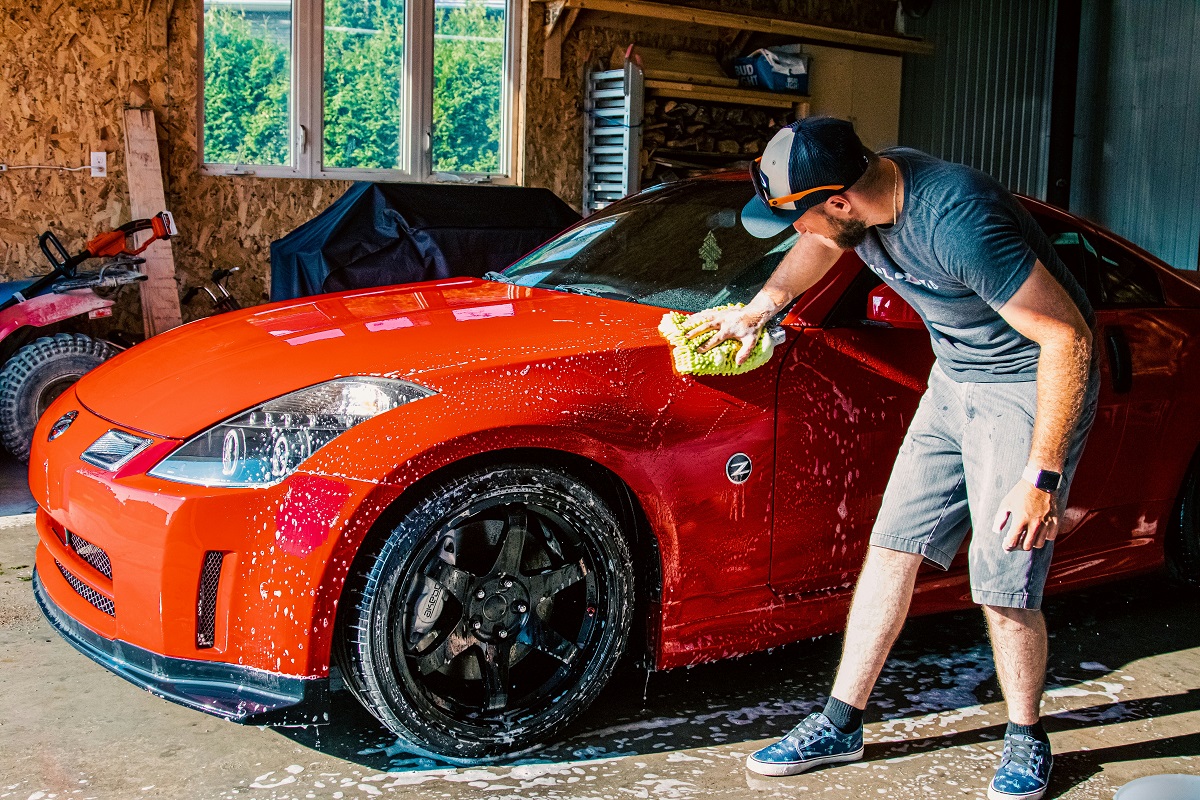
Every protective step you take works better on clean paint. Dirt, grit, and road film act like sandpaper when you wipe them around, so a proper wash is the foundation of everything else. That doesn’t mean spending a whole Saturday on it, but it does mean washing the right way.
Use a car-specific shampoo rather than dish soap. Dish soap is designed to strip grease, which means it also strips away any wax or sealant you’ve applied. A quality car shampoo cleans gently while leaving your protection intact. Wash in the shade whenever possible, because soap and water dry quickly on hot panels and leave spots that can be hard to remove.
A few washing habits go a long way:
- Rinse the whole car first to knock off loose dirt before you touch the paint
- Use the two-bucket method, one bucket for soapy water and one for rinsing your mitt
- Choose a microfiber or lambswool wash mitt instead of a sponge, which traps grit against the surface
- Wash from the top down, saving the dirtiest lower panels for last
- Dry with a clean microfiber towel or a leaf blower to avoid water spots
If you notice rough, gritty patches after washing, that’s bonded contamination. A clay bar treatment once or twice a year lifts those particles off the surface and leaves the paint smooth and ready for wax or sealant.
Wax, Sealant, or Ceramic Coating: Choosing Your Shield
Once the paint is clean, it’s time to add a layer of protection. This is the single most effective thing you can do for your finish, and you have three main options, each with its own strengths.
Carnauba wax is the classic choice. It gives a deep, warm glow and is easy to apply, but it typically lasts only a few weeks to a couple of months. It’s a good pick if you enjoy the ritual of waxing and don’t mind doing it often.
Paint sealants are synthetic products built to last longer, usually four to six months. They form a tough bond with the paint and tend to handle heat and rain better than natural wax. If you want solid protection without frequent reapplication, a sealant is a great middle ground.
Ceramic coatings are the heavy hitters. They chemically bond with the clear coat and can last two to five years when applied properly. They repel water, resist UV rays, and make washing much easier since dirt has a hard time sticking. The trade-offs are cost and prep work. Professional application can be pricey, and DIY kits require careful paint preparation.
Here’s a quick way to decide:
- Choose wax if you love hands-on care and want a rich shine
- Choose sealant if you want reliable protection with moderate effort
- Choose ceramic coating if you want long-term defense and don’t mind the upfront investment
Whichever you pick, apply it in thin, even layers and follow the product’s curing instructions. Thicker doesn’t mean better here.
Fighting Sun Damage and UV Fading
If you live somewhere sunny, UV protection deserves extra attention. Red and dark-colored cars are especially prone to fading, but no color is immune. The roof, hood, and trunk take the worst beating because they face the sky all day.
The simplest defense is shade. Parking under a tree, in a covered lot, or in a garage cuts UV exposure dramatically. When shade isn’t an option, a breathable car cover made for outdoor use can block the rays without trapping moisture. Avoid cheap plastic tarps, which can hold in humidity and scratch the paint when they flap in the wind.
Products matter too. Look for waxes, sealants, or coatings that specifically mention UV inhibitors. Some quick detailer sprays also add a light layer of UV protection, which makes them handy for topping things up between full waxing sessions.
Keep an eye out for early warning signs of sun damage:
- Dull or cloudy patches on horizontal surfaces
- Paint that feels rough or chalky to the touch
- Color that looks slightly lighter on the roof than on the doors
- Tiny cracks or a peeling texture in the clear coat
If you catch oxidation early, a light polish can often restore the shine. Once the clear coat starts peeling, though, the only real fix is repainting the panel, which is why prevention is so much cheaper.
Keeping Rain and Moisture From Doing Harm
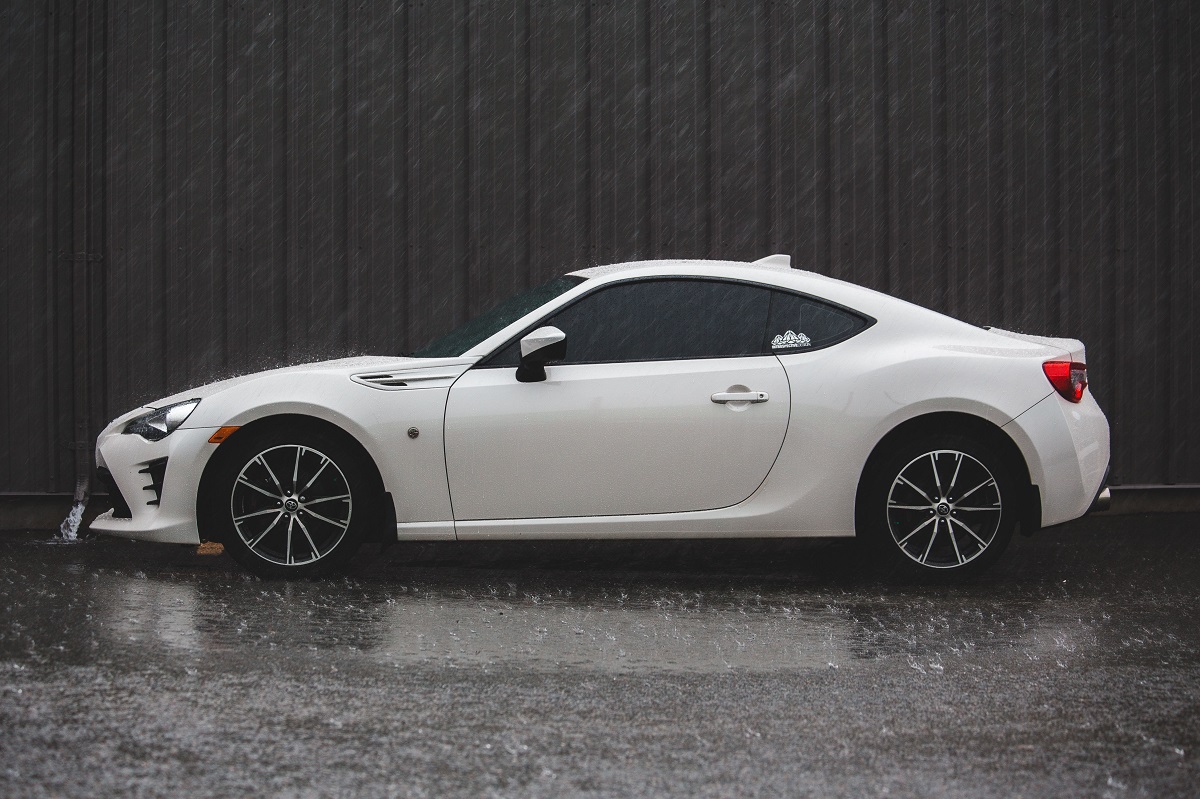
Rain doesn’t seem like a big deal, but it causes more subtle damage than most people realize. Rainwater isn’t pure. It picks up dust, pollution, and chemicals from the air, and when it dries on your car, it leaves behind mineral deposits. These water spots can etch into the clear coat if left long enough, especially in the heat.
A good layer of wax, sealant, or coating makes water bead up and roll off instead of sitting flat on the surface. That beading effect is a handy visual cue. When you notice water sheeting or pooling rather than forming tight droplets, your protection is wearing thin and it’s time to reapply.
After a rainstorm, especially in areas with acid rain or heavy pollution, give your car a gentle rinse or a quick wash. Dry it off if you can, paying attention to door jambs, mirrors, and trim where water likes to hide. Trapped moisture in these areas is where rust often starts.
Regular upkeep like this saves you a lot of money over time, since a few minutes of care after bad weather beats a costly repair later.
Also check that your car’s drain holes, found along the bottom of doors and in the trunk area, aren’t clogged with leaves or debris. Blocked drains let water sit inside body panels, which quietly encourages rust from the inside out.
Handling Snow, Ice, and Road Salt
Winter is brutal on paint, and the biggest threat isn’t the snow itself. It’s the road salt and de-icing chemicals that come with it. Salt is highly corrosive, and it clings to the lower half of your car, where it eats away at paint chips and exposed metal.
Try to wash your car regularly during winter, even when it’s cold. If temperatures are above freezing, a hand wash or a touchless car wash with an undercarriage spray will clear away salt buildup. Focus on the wheel wells, rocker panels, and the lower parts of the doors. In very cold climates, wash on the warmest day of the week and dry door seals so they don’t freeze shut.
Some winter-specific tips:
- Apply a fresh coat of sealant or wax before the first snowfall
- Never chip ice off your paint with a scraper, since it will scratch the surface
- Use a soft snow brush and push snow off gently rather than dragging it across the paint
- Use lukewarm water, not hot, to melt frost, because sudden temperature changes can stress the paint
- Touch up any rock chips promptly to keep salt away from bare metal
Little chips are easy to ignore, but they’re basically open doors for rust. A small bottle of factory-matched touch-up paint is inexpensive and can save you from a much bigger problem.
Dealing With Bird Droppings, Bug Guts, and Tree Sap
Not all paint damage comes from the sky itself. Organic messes are some of the fastest ways to ruin a finish, and weather makes them worse. Bird droppings are acidic, and in warm sunny conditions, they can etch into clear coat within hours. Bug splatter is similar, with acidic body fluids that harden and bond to the paint. Tree sap dries into sticky, stubborn spots that attract even more dirt.
The key is speed. The sooner you remove these substances, the less chance they have to cause lasting damage. Keeping a bottle of quick detailer spray and a couple of clean microfiber towels in your trunk makes this easy. Soften the mess with the spray, let it sit for a few seconds, and lift it away gently rather than scrubbing.
For stubborn spots, try these approaches:
- Bird droppings: Lay a damp microfiber towel over the spot for a minute or two to soften it, then wipe carefully
- Bug residue: Use a dedicated bug remover or a bit of car shampoo and warm water, then rinse well
- Tree sap: Dab a small amount of isopropyl alcohol or a sap remover on a cloth and press it against the sap until it loosens
- Hardened spots: Use a clay bar after washing to lift what’s left without scratching
After removing any of these, check whether the area still looks dull or cloudy. If so, add a bit of wax or sealant to that spot to restore protection.
Paint Protection Film and Other Upgrades
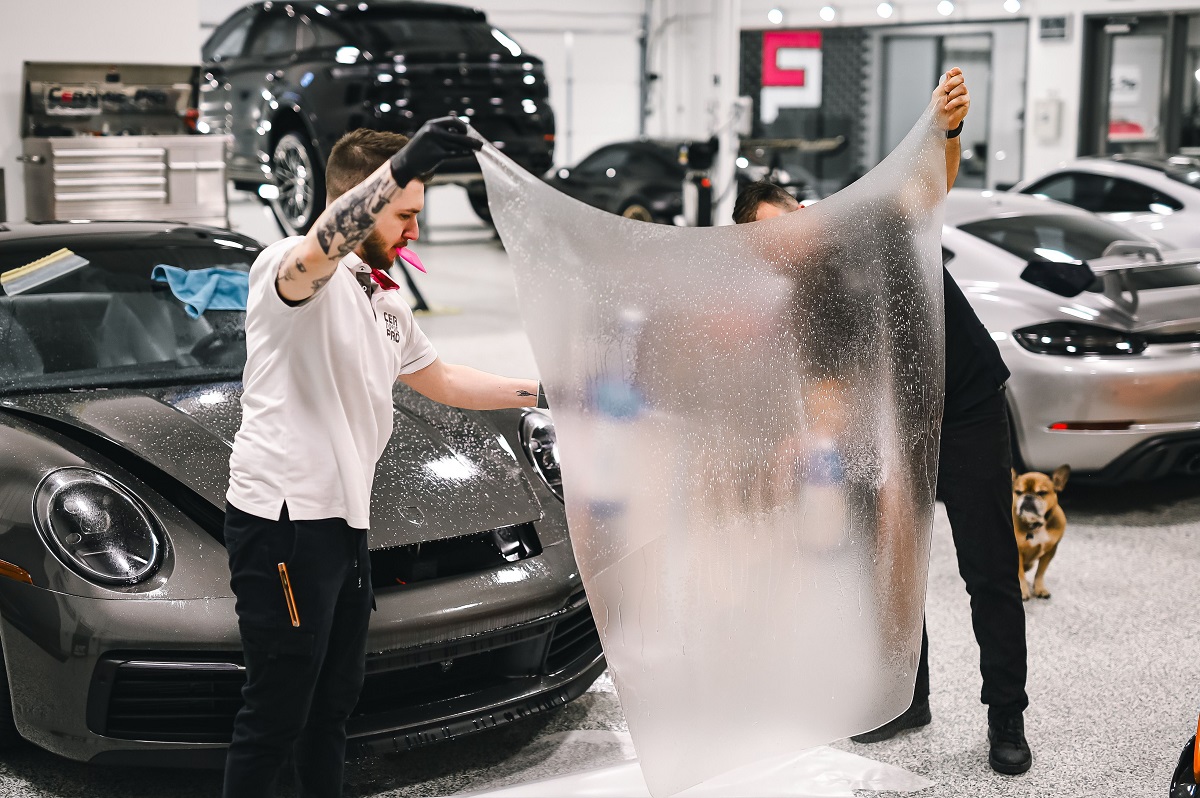
If you want a more serious layer of defense, paint protection film, often called PPF, is worth a look. It’s a clear, flexible urethane film applied to the surface of the paint. It absorbs rock chips, resists scratches, and shields against UV rays and chemical stains. Many modern films even have self-healing properties, so light scratches disappear with a little heat from the sun or warm water.
Full-body coverage can be expensive, so many owners choose to protect only the high-impact areas: the front bumper, hood, fenders, side mirrors, and door edges. This gives you the most protection where it counts without a huge price tag.
Other upgrades that can help include:
- Mud flaps or splash guards to block road debris from hitting the lower panels
- Door edge guards to prevent chips from careless parking-lot neighbors
- A quality windshield and headlight protection film to cut down on pitting
- Ceramic-infused spray products that add hydrophobic properties between full coatings
Whichever upgrade you choose, professional installation usually pays off. Film that’s applied poorly can bubble, peel, or trap dirt beneath it, so look for installers with good reviews and a clear warranty.
Smart Parking and Storage Habits
Some of the best paint protection costs nothing at all. Where and how you park your car affects its finish more than most people expect. A garage is the gold standard, since it shields your car from sun, rain, hail, and bird droppings all at once. If you don’t have one, a carport or covered parking spot is the next best thing.
Your home setup plays a bigger role here than you might think. Keeping your garage clean, dry, and clutter-free is one of the most useful helpful tips for maintaining your home and vehicle at the same time, because it gives your car a safe place to sit while also protecting your property from moisture and pests. Make sure there’s enough room to open the doors without bumping shelves or tools, and fix any roof leaks or damp spots so humidity doesn’t settle on your paint.
When you have to park outside, think strategically. Avoid parking directly under trees that drip sap or attract lots of birds. Stay away from sprinklers, which often use hard water that leaves mineral stains. If you can, park facing a direction that keeps the hood out of the harshest afternoon sun, or use a windshield sunshade to keep the interior cooler and reduce heat stress overall.
For long-term storage, prepare the car properly. Wash and wax it first, then park it in a dry, ventilated space under a breathable cover. Avoid covers that trap moisture, since a damp environment is a perfect setup for mildew and paint blemishes.
A few more habits worth building:
- Don’t leave wet towels, bags, or gear on the paint
- Keep your distance from other parked cars to avoid door dings
- Skip automatic car washes with stiff brushes, which can leave swirl marks
- Avoid parking near construction sites where dust and overspray can settle on your car
A Simple Maintenance Schedule You Can Actually Follow
Knowing what to do is one thing. Actually doing it consistently is another. Here’s a realistic routine that keeps your paint protected without turning car care into a second job.
Every week or two:
- Wash your car with proper car shampoo and dry it with microfiber
- Spot-clean any bird droppings, bugs, or sap as soon as you see them
- Check for chips, scratches, or early signs of rust
Every month or so:
- Use a quick detailer or spray sealant to refresh the protection
- Clean door jambs, mirrors, and trim where water and grime collect
- Inspect the drain holes and seals for debris
Every three to six months:
- Apply a full coat of wax or sealant, depending on which product you use
- Clay bar the paint if it feels rough after washing
- Touch up any chips with matching paint
Once or twice a year:
- Do a full detail, including polishing if the paint looks dull
- Reassess your protection level and decide whether a coating or film upgrade makes sense
- Give the undercarriage a thorough rinse, especially after winter
Adjust the schedule to your climate. Drivers in hot, sunny regions should lean toward more frequent UV protection, while those in snowy areas should prioritize salt removal and pre-winter sealing.
Final Thoughts
Protecting your car paint from sun, rain, and harsh weather doesn’t require expert skills or a big budget. It comes down to keeping the surface clean, adding a layer of protection, and dealing with problems quickly before they grow. Small habits like parking in the shade, wiping off bird droppings, and rinsing away winter salt add up to a finish that stays glossy for years.
Start with the basics, choose a protection product that fits your lifestyle, and stick with a routine you can realistically maintain. Your car will look better, hold its value longer, and save you from the frustration of major paint repairs down the road. A little effort now goes a long way, and your future self, standing in front of a shiny, well-kept car, will thank you.